Dear hustlers, founders, operators and visionaries,
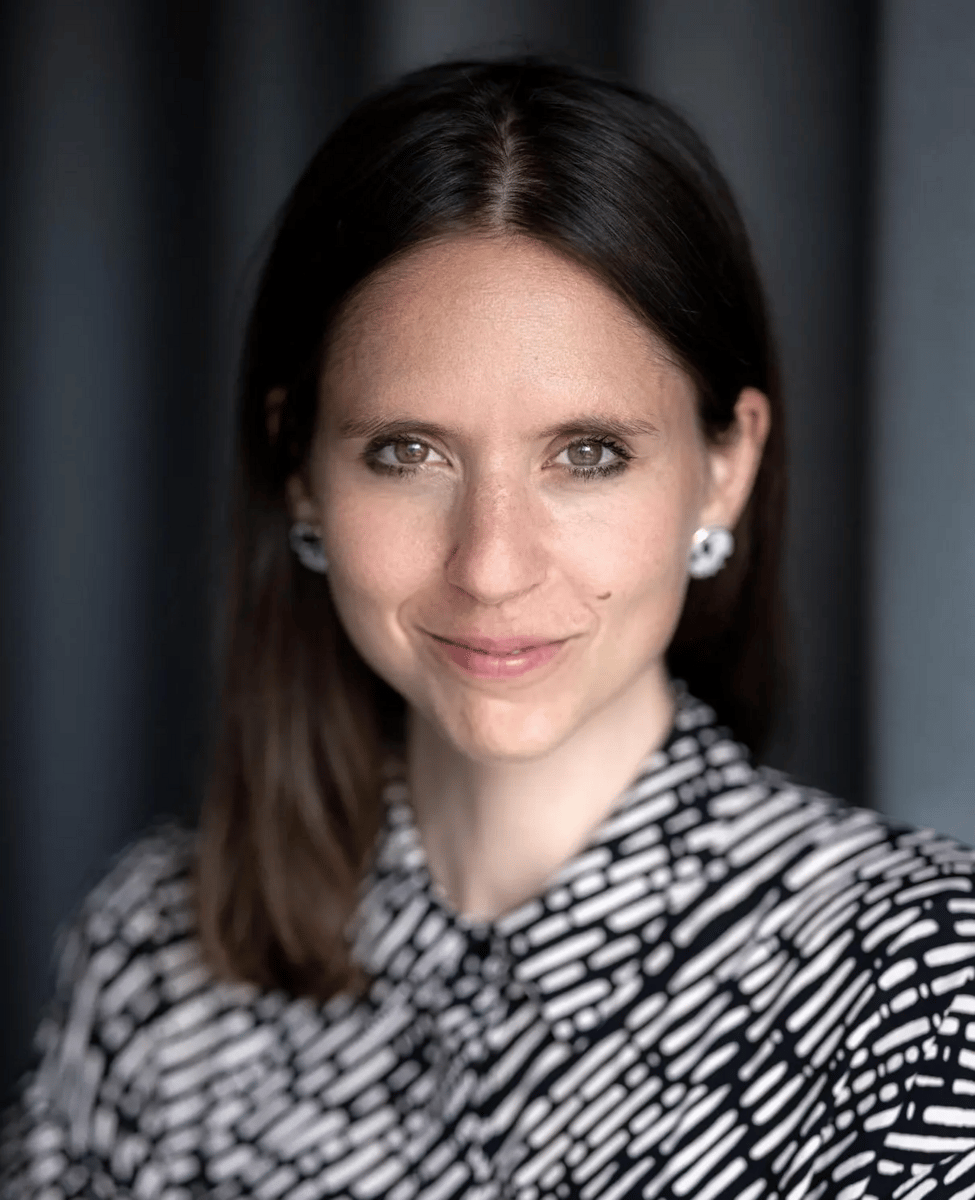
Today’s guest is Lina Chong, Partner at HV Capital and a former founder who’s seen both sides of the startup table. Before becoming an investor, she built and exited companies herself, and brings that rare operator empathy to every board seat she holds today.
From navigating the emotional crash after a successful exit to helping founders make brutal team calls without breaking trust, Lina shares what she’s learned about scale, self-awareness, and how conviction often beats clarity in the early days.
🎧 Tune in now on Spotify, Apple, YouTube and share your thoughts! In the meantime: Follow the Gradient and stay tuned!
PS: Has this e-mail been forwarded to you? Sign up here.

Why you should listen
You should listen to this if you’ve ever had to evolve faster than your company, or wondered what VCs really look for in a founder beyond the pitch deck.
The longer we listened to Lina, the clearer it became: the founders who scale aren’t just the boldest, they’re the most self-aware.
What we talk about
01:43: From Founder to VC: How Operator DNA Shapes Investing
03:05: Why Experimental Cultures Beat Rigid Vision Early
05:05: The Emotional Crash After an Exit—and Why It Matters
07:58: Founder Signals That Actually Predict Scale
11:40: Loyalty vs. Scale: When Early Teams Hold You Back
14:58: Why Caution Kills Startups at Critical Moments
16:28: How VCs Form Conviction in the First Minutes
21:07: How to Use Your Investors for GTM and Fundraising
25:16: European SaaS GTM: Product-Led vs. Founder-Led
27:30: Home Market vs. Global First: Follow the Money
32:53: Resilient Founders: Why Big Cuts Beat Slow Cuts
33:43: Personal Resilience: Staying Sane at the Top
Our main take away’s
Self-awareness beats ego at scale: The best founders aren’t the loudest. They’re the ones who know where they’re limited, seek out help, and evolve as their company does. Lina repeatedly emphasizes that clarity and humility signal someone ready to scale.
Culture without experimentation is a trap: Founders who resist exploring alternatives, pivots, or bolder directions often stagnate. High-performing teams share a willingness to experiment and make system-level decisions, not just gut calls made behind closed doors.
Hard cuts are better than a slow bleed: In tougher markets, resilient founders make bold moves, like cutting 30-40% of the team when necessary, instead of death by a thousand 10% layoffs. These decisions protect long-term clarity and keep remaining team members motivated.
VCs are underused strategic assets: While many founders view their investors as intro machines or fundraising tools, the best use VCs to benchmark decisions, challenge their thinking, and gain pattern recognition from across the portfolio. It's a missed opportunity if you're only calling at the next round.
The best leaders are magnetic and fast: Speed in decision-making, clarity in communication, and a certain charisma - these are subtle but consistent traits Lina sees in the standout founders. It’s not about being loud. It’s about being clear, fast, and emotionally intelligent.
How to reach out to Lina
Exclusive from Lina
Looking back, what is something you consistently see too late in founders, and wish they had addressed one or two years earlier?
Balancing gut and passion with data and frameworks. It’s hard to start challenging certain beliefs, or face certain fears that come through with data. Many founders tend to work off of gut instinct far longer than they should.
What is one expectation founders should explicitly set with their investors early on, but almost never do?
Expectation setting in general with investors is incredibly important. Sometimes, the milestone an investor believes the company should achieve and what the founder believes she can achieve might be very different. Agree explicitly on a milestone and as quantitative as possible. Update investors on how you’re progressing. There will be delays and setbacks- be upfront with those and course correct quickly.
What is a very common founder reflex that feels responsible or mature in the moment, but usually leads to worse outcomes long-term?
At some point in the business, a founder becomes less an individual contributor and more of a leader. Very difficult because it comes gradually, and with other habits / reflexes to overcome like the need to control or decide on everything.
What is one operator skill that founders underestimate, but that you now recognize as a massive advantage from the investor side?
Handsdown, sales. Being in love with the process and nature of sales .. and part of that is story telling. Sales closes customers, candidates and capital. If the founder is bad at sales, the business typically tends to struggle.
If you were forced to design a startup today that could only be built well from Europe, what would you optimize for from day one?
Sell to the whole world. Where you build matters less than where you sell. Optimize your team, mindset, capital allocation and product for global customers.
What is success for you?
For me personally, it’s the ability to decide for myself where, when and with whom I work. Also what work I do.
What books, podcasts, articles inspired you?
Zero to One. The Hard Thing about Hard Things. Fight Club. Foundation. Star Trek. So many good thinkers and ideas out there! Hard to choose.
What’s one advice, founders should actually ignore?
It’s too early to have a business plan. Always have a plan. It doesn’t need to be formal - but have a rough idea of the business.
What are habits, activities or rituals that keep you sane (while scaling your business)?
I tried to get at least 5 hours of sleep and had dinner with my co-founder, or with someone, at least 2-3 times per week. And I wrote everything down in a journal, especially the learnings and the feelings, to help me process things.
What is one “growth hack” that has a positive impact on you or the company?
Have trusted mentors. I had the fortune of having a couple of mentors in my life and the sense to listen. This helped me make certain crucial decisions along the way, and keep a bigger picture in mind when I was deep in the woodworks.

Follow the Gradient is a weekly newsletter and podcast by the serial founders Melanie Gabriel & Christian Woese about how to build a business from Europe while staying sane.