Dear hustlers, founders, operators and visionaries,
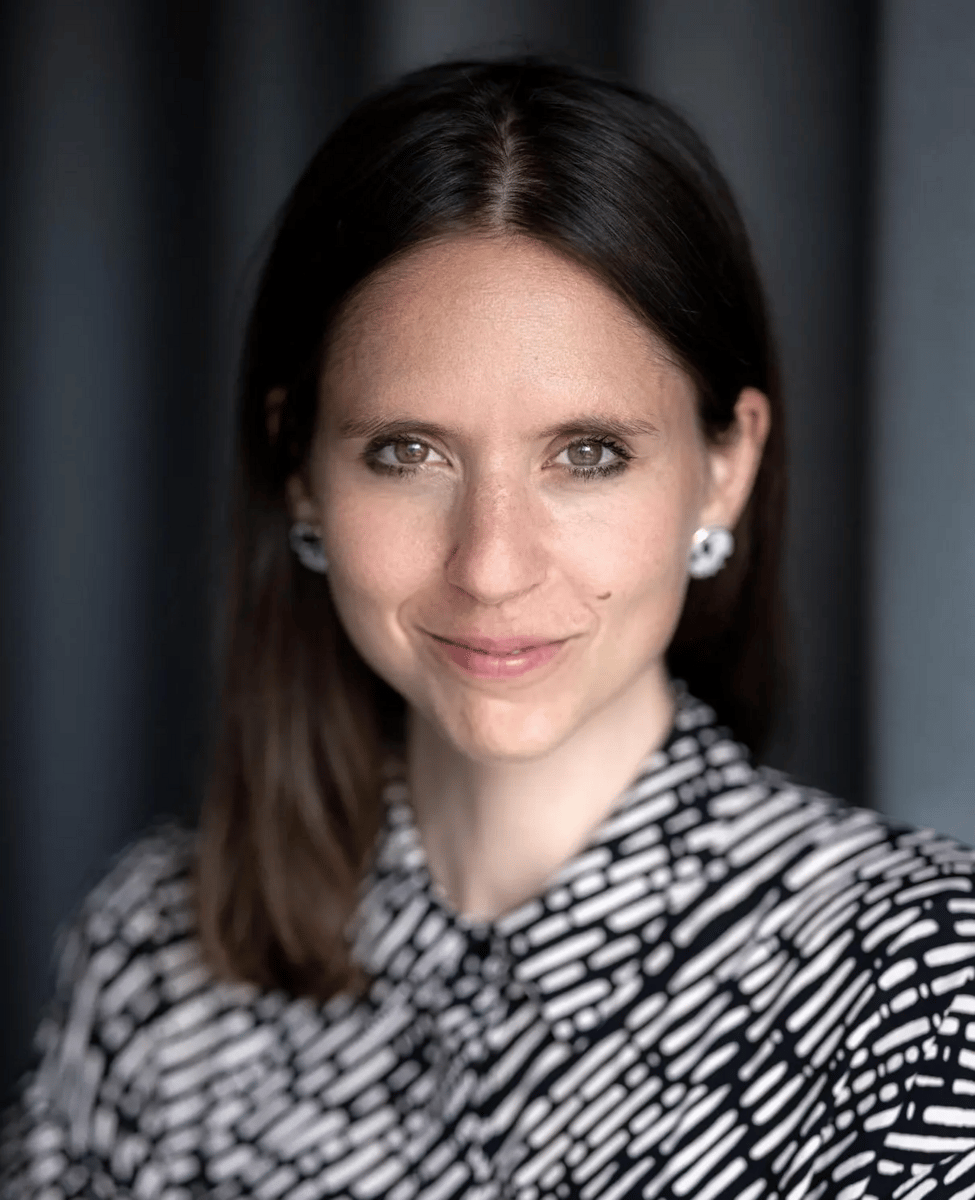
Today’s guest is Kate, founder of KaaS and former Chief of Staff and Executive Assistant at companies like Wise and DeepMind, where she worked at the center of decision-making in high-growth environments. She now advises founders and VCs on when and how to hire executive support to increase velocity and remove bottlenecks.
🎧 Tune in now on Spotify, Apple, YouTube and share your thoughts! In the meantime: Follow the Gradient and stay tuned!
PS: Has this e-mail been forwarded to you? Sign up here.
Why you should listen
You should listen to this if you are stretched between 10 and 100 people and still managing your own calendar, inbox, and follow-ups while claiming you want leverage.
As the conversation unfolded, it became clear that most founders try to fix strategy before fixing operations, which quietly caps speed and turns them into the bottleneck.
What we talk about
00:00 Introduction
02:30 When founder mode becomes the bottleneck
07:29 EA vs Chief of Staff: defining the roles clearly
11:24 The 15-person chief of staff trap
14:46 The cost of waiting too long: velocity
17:08 The 60-minute calendar audit
19:09 Building your EA into a second brain
26:37 What to look for when hiring an EA
32:41 When everything compounds: 12-24 months in
34:41 Working with C Levels
46:01 Rapid fire
Our main take away’s
Founder mode becomes a liability the moment momentum kicks in. Once you have investors, a growing team, and external expectations, every Slack reply and calendar tweak you insist on approving slows decisions and forces the team to wait for you.
Executive support is a velocity investment, not overhead. Buying back one to two days per week shifts a founder from reactive inbox management to proactive problem solving, and the real cost of waiting is competitors shipping while you are fundraising or buried in admin.
Most early stage founders hire the wrong role to solve the wrong problem. At 15 to 20 people the issue is usually operational chaos, not missing strategy, and hiring a Chief of Staff before fixing inbox, calendar, and meeting hygiene creates a mismatch that frustrates both sides.
An EA scales time first, a Chief of Staff scales focus and alignment. The EA owns the next 48 hours and removes logistical drag, while the Chief of Staff sets operating cadence for the quarter, tracks priorities, and ensures goals do not get lost in daily noise.
Executive support compounds through faster and better decisions. When someone triages information, prepares drafts, aligns the week to top three priorities, and flags bottlenecks early, hiring improves, fundraising gets structured earlier, and decision speed becomes a competitive advantage.
How to reach out to Olivier
Exclusive from Kate
If a founder suspects they might be the bottleneck but isn’t sure, what’s a simple 7-day audit they can run on themselves to diagnose it?
Look at how many people on Slack are waiting for a response from you to move something forward. Then check how your calendar aligns with your top priorities and how much of your week goes to tasks that could be delegated or outsourced. If 20% of your time is spent on logistics, you’re probably the bottleneck.
If someone decides to hire an EA in the next 30 days, what should they clarify before posting the role, and what should they hand over in month one?
Get crystal clear on the scope of the role and what success looks like before you hire. EA roles vary hugely between companies, so define the specific problems you want them to solve. In the first month, hand over your calendar, inbox, travel, and expenses - and get them fully embedded in your rhythm.
What is one subtle red flag in executive support candidates that most founders completely miss?
A lack of curiosity. If a candidate doesn’t ask thoughtful questions about you, the business, or how you like to work, that’s a sign they’re not thinking partnership-first. The best EAs look for alignment.
In your experience at Wise, DeepMind and Plural: what is one compounding effect of great executive support that founders underestimate?
The headspace you regain to focus on what actually moves your mission forward. Also, the reputational shift when you become the founder who replies to candidates, sends the investor report on time, and follows through. Those things compound into long-term credibility.
What should never be delegated even with a world-class EA?
Company culture and communicating the mission. A great EA can amplify both, but the ‘why’ has to come directly from the founder.
What is success for you?
Seeing a founder I’ve worked with have the headspace to make meaningful progress because they’re no longer stuck in the weeds
What books, podcasts, articles inspired you?
The Squiggly Careers podcast; Range by David Epstein; Mindset by Carol Dweck; Work Rules! by Laszlo Bock
What’s one advice, founders should actually ignore?
“Do things that don’t scale.” It might apply to your first 10 customers, but not your own time.
What are habits, activities or rituals that keep you sane?
Running, eating well, resting properly, reading lots of books, and talking to interesting people (often my friends).
What is one “growth hack” that has a positive impact on you or the company?
Get a coach. KaaS might not have made it beyond just an idea without mine. My coach only works with women, but I’m always happy to share her details if anyone wants a recommendation.

Follow the Gradient is a weekly newsletter and podcast by the serial founders Melanie Gabriel & Christian Woese about how to scale a business from Europe while staying sane.
You have full control over what we send to you. We sent a weekly rundown on Tuesdays, and our podcast brief on Thursdays. If you do not want to receive this Thursday one, you can change this in the email preferences below.