Dear hustlers, founders, operators and visionaries,
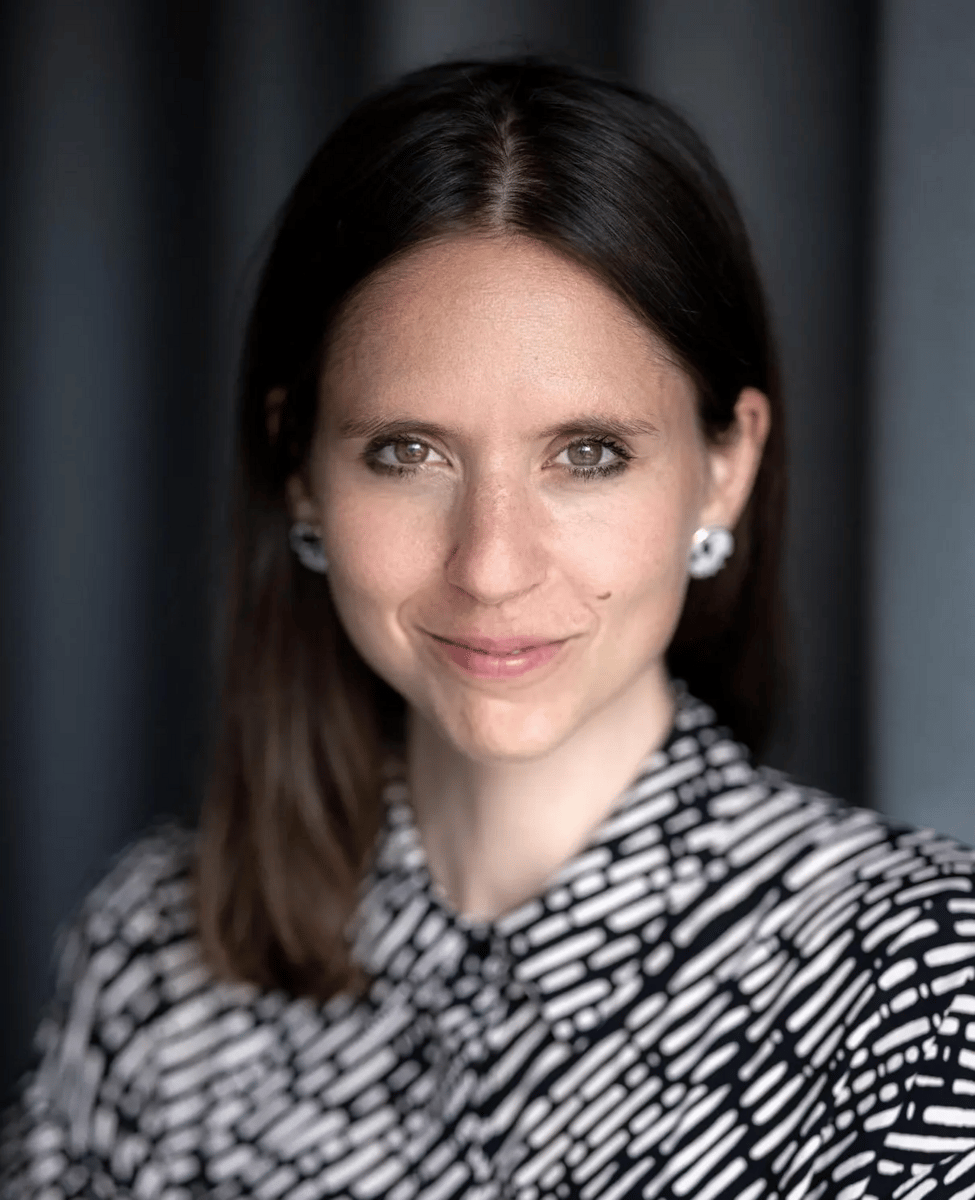
Today’s guest is Gülsah Wilke, Partner at DN Capital, who built Two Hearts into Europe’s largest migrant founder community with ~5,000 members across 120 nationalities. She invests from a €1B+ fund and operates at the intersection of venture, diversity, and enterprise AI.
🎧 Tune in now on Spotify, Apple, YouTube and share your thoughts! In the meantime: Follow the Gradient and stay tuned!
PS: Has this e-mail been forwarded to you? Sign up here.
PS II: Big shout out to the team at START Global who connected us with Gülsah!

Why you should listen
You should listen to this if you want to understand why immigrant founders outperform despite having less access to capital and networks.
As the conversation unfolded, it became clear that Europe’s AI edge depends less on foundation models and more on proprietary data inside traditional industries.
What we talk about
00:00 - Introduction
01:40 - Why “everyone can make it” is flawed
09:03 - The similarity bias in European VC
12:06 - Diversity as ROI, not charity
14:11 - Vertical AI: Germany's structural edge
18:28 - SAP data as the unlock for enterprise AI
22:32 - The Cognigy story: $955M exit, 22x return
26:41 - AI democratizing access for underrepresented founders
30:41 - 2hearts: Europe's largest migrant founder community
36:35 - The bird in the air: finding environments that fit your strengths
Our main take away’s
Immigrant founders outperform because constraints force focus and commitment. Most lack early capital, safety nets, and insider networks, which removes optionality and pushes all-in execution from day one.
Venture outcomes are biased upstream by who controls capital. Homogeneous investor bases lead to pattern-matching on background, which systematically filters out high-potential founders before they start.
Europe has already lost the race for foundation AI but holds an edge in vertical applications. Proprietary industrial data in sectors like manufacturing and healthcare creates defensibility that large LLM providers cannot easily access.
AI is compressing the time and capital required to build companies. Founders now reach €1M ARR in 12–18 months, shifting early-stage investing dynamics and lowering barriers for underrepresented builders.
Enterprise AI adoption fails less on technology and more on organizational readiness. Companies struggle with legacy systems like SAP, fragmented data, and lack of clear prioritization across use cases.
How to reach out to Gülsah
Exclusive from Gülsah
If you’re a founder with an immigration background in Europe – what is a specific advantage you have that others systematically underestimate, and how should you actively leverage it?
Your biggest advantage is pattern diversity. You’ve seen multiple systems, cultures, and ways of operating — which means you question assumptions others don’t even notice. That often leads to better products and more resilient companies. Most founders underestimate this and try to “fit in.” I would do the opposite: lean into your edge. Build for global markets earlier, hire diverse teams from day one, and use your perspective to spot problems others overlook.
Where have you seen diverse teams outperform homogeneous ones in a very concrete business situation – hiring, product, or go-to-market?
In go-to-market. We’ve seen diverse teams significantly outperform when selling into complex, multi-stakeholder environments — like healthcare or enterprise.
Why? Because they naturally adapt communication, understand different incentives, and navigate ambiguity better. Homogeneous teams often optimize for one type of buyer. Diverse teams build multi-layered understanding — and win more deals.
What is a blind spot non-diverse founders typically have when building teams or products in Europe – that actually costs them growth?
They optimize for familiarity over capability. That shows up in hiring (same backgrounds), product (same assumptions), and GTM (same networks). The cost is huge: missed markets, weaker products, slower iteration. In a continent as fragmented as Europe, this is a real growth limiter.
What is something the 2hearts community does differently that traditional networks in Europe don’t – and why does that matter for career or company outcomes?
We don’t optimize for exclusivity — we optimize for access and trust at scale. Most networks in Europe are closed and relationship-driven over decades. At 2hearts, we create intentional collisions across industries, cultures, and seniority levels. That leads to: faster opportunities, unexpected partnerships, and often career-defining moments
Access shouldn’t depend on where you were born or who you already know.
From a VC perspective: where does the lack of diversity actually show up in investment decisions or portfolio outcomes – even if people don’t admit it?
In pattern recognition. VCs are trained to look for “what worked before.”
The problem: what worked before is often very narrow. So founders who don’t match that pattern are: questioned more, funded less, or seen as higher risk. Ironically, those are often the founders building the most differentiated companies.
What is success for you?
Success is creating leverage for others. Not just building companies — but opening doors, enabling talent, and creating systems where more people can participate and win. If more founders succeed because they had access, capital, or belief at the right time — that’s success.
What books, podcasts, articles inspired you?
And honestly — most inspiration comes from conversations with founders who are building against the odds.
What’s one advice founders should actually ignore?
“Stay focused on one thing from day one.” Focus matters — but early on, exploration matters just as much. Many of the best companies didn’t start fully formed —
they evolved through constant iteration and learning.
What are habits, activities or rituals that keep you sane (while scaling your business)?
Movement and reflection. Whether it’s sports, meditation, or just time offline — I need space to think. And staying close to my family and people who give honest feedback, not just positive reinforcement.
What is one “growth hack”?
Proximity to exceptional people. Everything compounds from that: better decisions, better opportunities, better perspectives. Put yourself in environments where you’re slightly out of your comfort zone — that’s where growth happens fastest.

Follow the Gradient is a weekly newsletter and podcast by the serial founders Melanie Gabriel & Christian Woese about how to scale a business from Europe while staying sane.
You have full control over what we send to you. We sent a weekly rundown on Tuesdays, and our podcast brief on Thursdays. If you do not want to receive this Thursday one, you can change this in the email preferences below.