
Dear hustlers, founders, operators and visionaries,
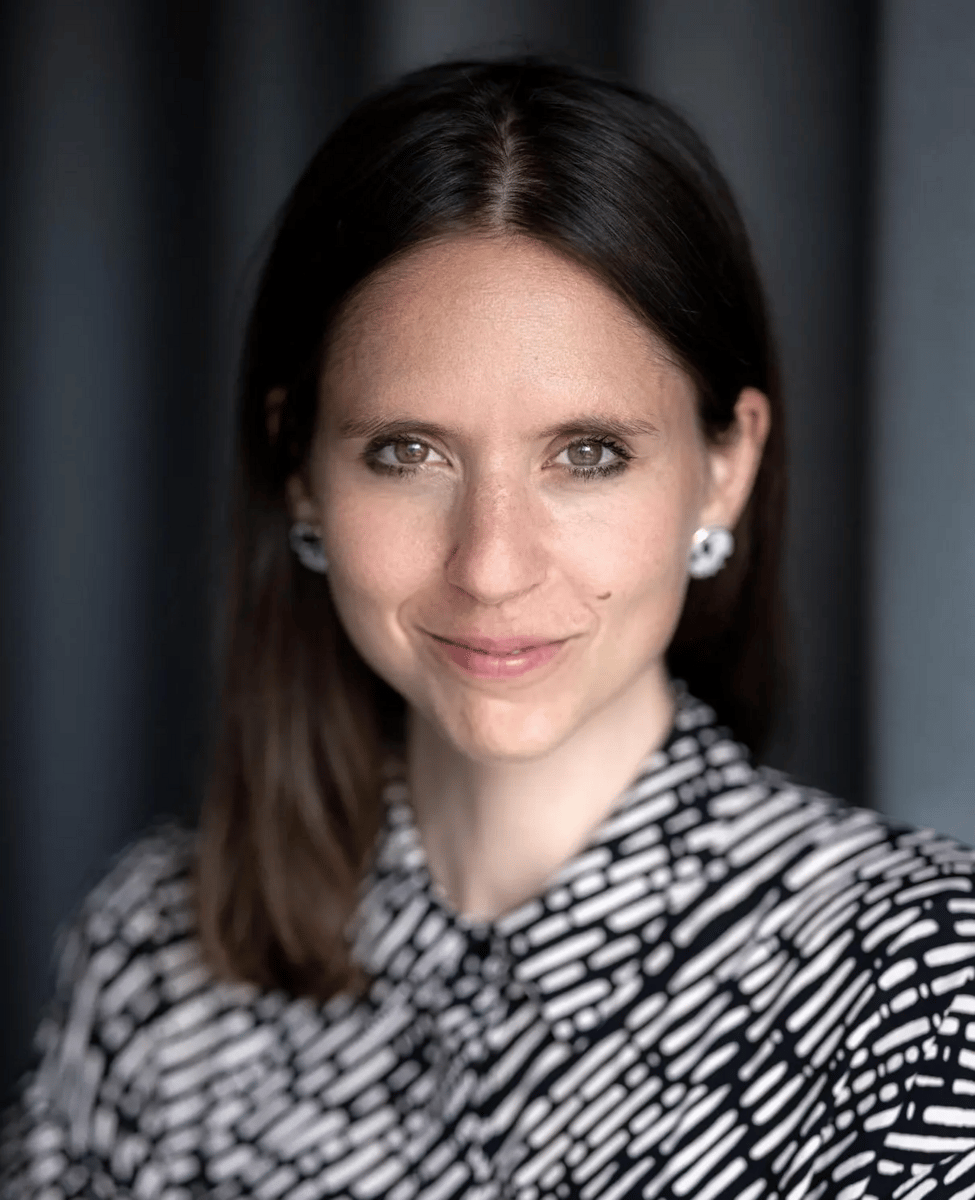
This week we sat down with Tom Hanan, who left a pre-IPO seat at Google in 2009 to start Webrepublic. Sixteen years later it is the largest independent, owner-managed marketing agency in Switzerland, around 250 people, and it has never raised outside capital. From Zurich, his teams run campaigns at FIFA World Cup scale. So when Tom talks about what AI is actually doing to a services business, it comes from someone who runs the campaigns, not someone selling the keynote.
🎧 Tune in now on Spotify, Apple, YouTube and share your thoughts! In the meantime: Follow the Gradient and stay tuned!
PS: Has this e-mail been forwarded to you? Sign up here.

Why you should listen
You should listen to this if you run or work in a services business and your clients have started asking why AI hasn't made you cheaper yet. Tom has run the numbers from inside the agency, and his answer is the opposite of the one everyone else is giving.
As the conversation unfolds, the real tension is not AI versus humans. It is whether the better tools quietly make the work worse, and who ends up paying to keep it good.
What we talk about
00:00 - Introduction
04:35 - Advice to his younger self
05:58 - Why they never raised
12:09 - A culture that aligns the team
15:13 - Be ready for chaos
17:30 - Hiring for the oomph factor
24:47 - The AI magic button myth
28:04 - The shorter planning horizon
30:45 - Marketing in the age of AI slop
36:34 - Rapid fire
Our main take away’s
There is no magic AI button. When clients hear Tom has AI, some ask for a 30 to 40% discount. He calls that "absolute bogus." Webrepublic spends a seven-figure sum every year just to deploy the technology, and as he puts it, "the illusion that your work will become less is an illusion."
AI buys efficiency, not a smaller team. The real gain is throughput. Instead of managing three clients, a team can manage four, which lifts profitability. AI changes the math underneath the work, it does not remove the work or the bill.
AI is a Ferrari most companies can't drive. Tom watches banks and insurers buy the same tools the data giants use and then "don't even have a driver's license." The bottleneck is never the tool. It is whether the culture is ready to change its processes, and if it is not, "all your AI investment will fail."
Sixteen years, 250 people, never raised a franc. Tom and co-founder Tobias Zehnder bootstrapped from day one. External funding would have helped him sleep through COVID, but "every VC has a five year plan to exit," and staying independent kept the company focused: "we didn't have the millions to spend on stuff that we might not really need."
Hire for the oomph factor. Tom screens candidates on two axes: their academic and professional background, and what he calls "the oomph factor," meaning charisma, passion, fire and drive. "You could have an MIT A-grade student, but this person might be boring as hell." His ideal hire is "a mix of Captain Kirk, Yoda and Indiana Jones."
How to reach out to Tom
Exclusive from Tom
Incoming…

Follow the Gradient is a weekly newsletter and podcast by the serial founders Melanie Gabriel & Christian Woese about how to scale a business from Europe while staying sane.
You have full control over what we send to you. We sent a weekly rundown on Tuesdays, and our podcast brief on Thursdays. If you do not want to receive this Thursday one, you can change this in the email preferences below.