
Why you don't need HR until 200 people
🎙️ Olivier Gaudin on building a $4bn powerhouse through structured chaos
· 924 words
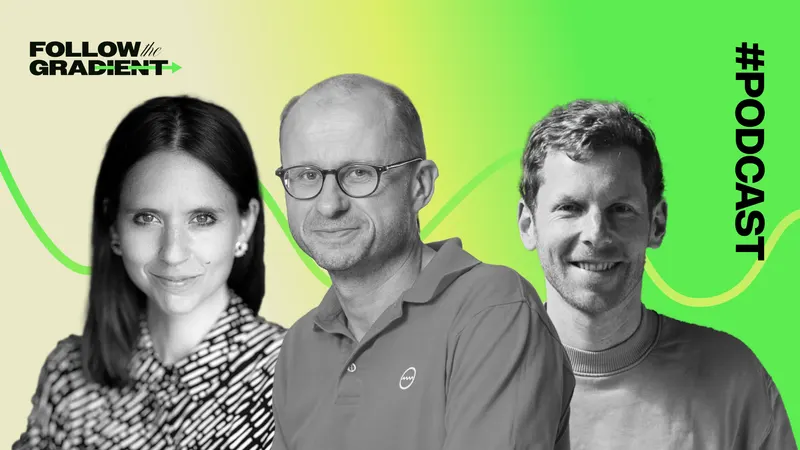
Christian Woese & Melanie Gabriel
December 11, 2025 • Read time: 3 minutes
In partnership with

Dear hustlers, founders, operators and visionaries,
Today’s guest is Olivier Gaudin, Co-Founder and former CEO of SonarSource, a company he bootstrapped from a small room in Geneva into a $4bn+ global powerhouse used by 70% of the Fortune 100. Olivier ran the company for 15 years, scaled it to 800 employees, and famously did it without managers until they hit 200 people.
🎧 Tune in now on Spotify, Apple, YouTube and share your thoughts! In the meantime: Follow the Gradient and stay tuned!
PS: Has this e-mail been forwarded to you? Sign up here.
Why you should listen
You should listen to this if you want to know what strong customer focus looks like first-hand, and and why “structured chaos” can beat process any day in the early stage.
The longer we listened to Olivier’s story, the more it became clear: there is a difference between being chaotic and operating in structured chaos.
What we talk about
01:50 - How SonarSource got started
08:05 - When to hire, when not to hire, and why staying profitable shaped every decision
10:23 - Why they stayed maniacally close to users
11:46 - How to maintain organizational structure after scaling
24:08 - Building a cohesive team across locations
29:33 - Balancing customer growth and product development
37:13 - The do’s and don’ts of management, from someone who avoided it for as long as possible
Our main take away’s
Start with your own pain, not market trends: Olivier and his co-founders didn’t chase market gaps, they solved their own development frustrations. This authenticity created a product that resonated with other developers instantly, without needing a sales pitch.
You don’t need funding to scale if you build something people actually use: SonarSource grew profitably from day one, only raising money years later to support U.S. expansion. The focus wasn’t on valuation, but adoption and usage - measured by downloads, forum conversations, and genuine traction.
No managers until 200 people (and it worked): Instead of adding layers of hierarchy, the team operated as a high-trust collective. All decisions were direct and collaborative, with communication flowing from founders to individual contributors. When cracks appeared at scale, they introduced structure intentionally and thoughtfully.
Don't just listen to customers, understand their use case: Rather than building features based on loud voices, the team dug deeper into the “why” behind user feedback. A shift from configurable dashboards to fixed ones sparked outcry, but deeper conversations revealed only two real use cases were missing, and those were addressed. Vision led the roadmap, not volume.
International expansion requires cultural embedding, not just hiring: The decision to embed U.S. hires in Geneva for a month wasn't tactical—it was cultural. These immersions built trust, alignment, and a shared foundation, making cross-continental scaling possible without diluting the company’s values.
Push early, observe fast, iterate often: One of Olivier’s key lessons: don’t wait until something is perfect. Shipping smaller, imperfect versions helps uncover what truly matters, avoiding wasted effort on features that don’t resonate once they’re in the wild.
From our Partners
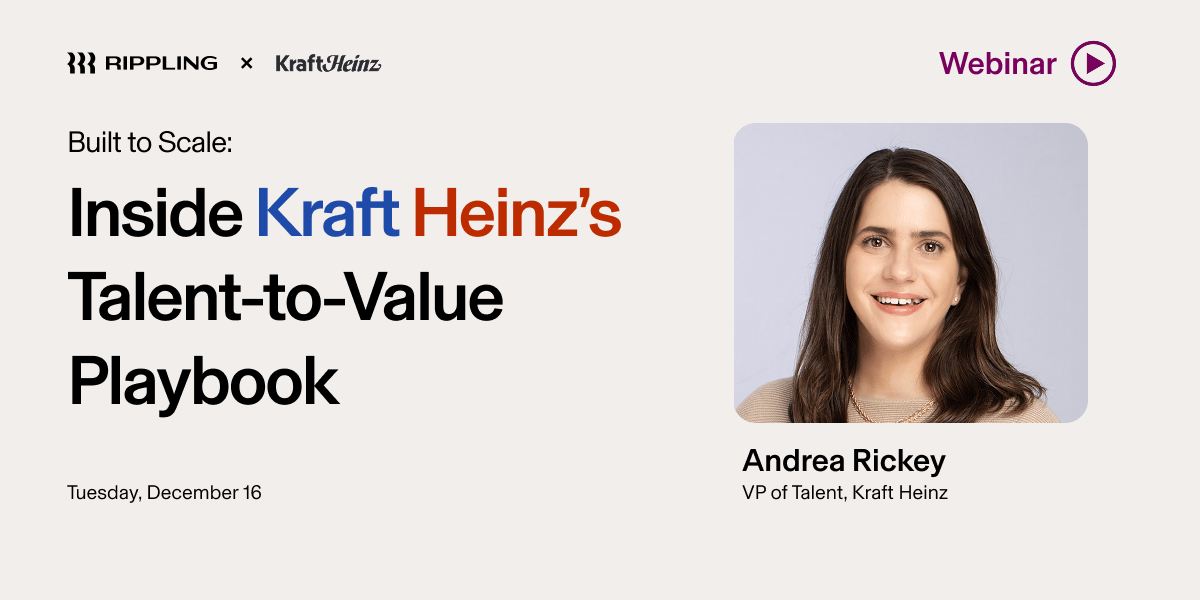
Inside Kraft Heinz’s Talent-to-Value Playbook
When you're responsible for scaling talent in a fast-moving business, you don’t have the luxury of slow hiring cycles, disconnected systems, or reactive HR. You need frameworks that help you move faster — and actually influence the business.
That’s exactly what you’ll take away from this session.
Andrea Rickey, VP of Talent at Kraft Heinz, breaks down the tools and processes you can use to transform your own talent function — from AI-powered high-volume hiring to the talent-to-value model that helps you prioritize the roles that matter most. You’ll see how these systems unlock faster decisions, stronger leadership pipelines, and real alignment with business outcomes.
Whether you're supporting 50 employees or 50,000, you’ll leave with practical ways to streamline your talent workflows, elevate HR’s role, and operate at the pace your company needs heading into 2025.
How to reach out to Olivier
Exclusive from Olivier
What is the one advice you can give to keep Product and Revenue teams aligned?
I would say 2 things:
Do not build technology, build a product. Productizing a technology will fail 99% of the time
Release early and often, based on value generation and not completeness
What was the biggest mistake you made when scaling internationally?
Because we were inbound only, it took us a while to understand that having someone local would help sell/convert more.
What’s the one decision or process you’d repeat exactly the same way if you had to build Sonar all over again?
I would do the same mistakes again 🙂
What is success for you?
Success to me is adoption, everything else is a side effect
What books, podcasts, articles inspired you?
For the book, I would say Getting Things Done (GTD)
What’s one advice, founders should actually ignore?
Any advice that is about what you should build, coming from someone who has not built something similar in the business should be ignored.
What are habits, activities or rituals that keep you sane (while scaling your business)?
The annual company event, a moment every quarter to measure the progress and adjust the priorities, and the weekly 30 minutes to collect (manually!) business data.

Follow the Gradient is a weekly newsletter and podcast by the serial founders Melanie Gabriel & Christian Woese about how to build a business from Europe while staying sane.